Behind the podcast
A step-by-step look at how our podcast came to life - from research and scripting to recording and editing.
Pre -production
From the beginning, our group worked together when approaching the script. Instead of breaking up the study by subject, each of us conducted independent research on media, semiotics, and interculturalism before gathering to discuss our results, noting them down on a shared document and determining what to include as a group.
For example, we individually examined Justin Bieber's comment sections from 40 postings as part of our multicultural study to make sure we collected a sufficient and representative quantity of data before making any findings. We selected his SKYLRK sneaker brand campaign as a case study for our semiotic analysis. This was especially effective for a podcast format because it demonstrated how Bieber used semiotics differently across platforms and was sufficiently targeted to cover in-depth within our time limits. By contrasting the shoe campaign on Instagram and TikTok, we were able to obtain a clear and concise analysis that demonstrated more general semiotic tendencies throughout his whole online persona.
After that, we developed the script piece by piece, going through three whole iterations before we were satisfied. After honing the phrasing and practicing speaking it out loud, we split up the speaking responsibilities such that everyone in the group had an equal voice in the finished recording.
Production
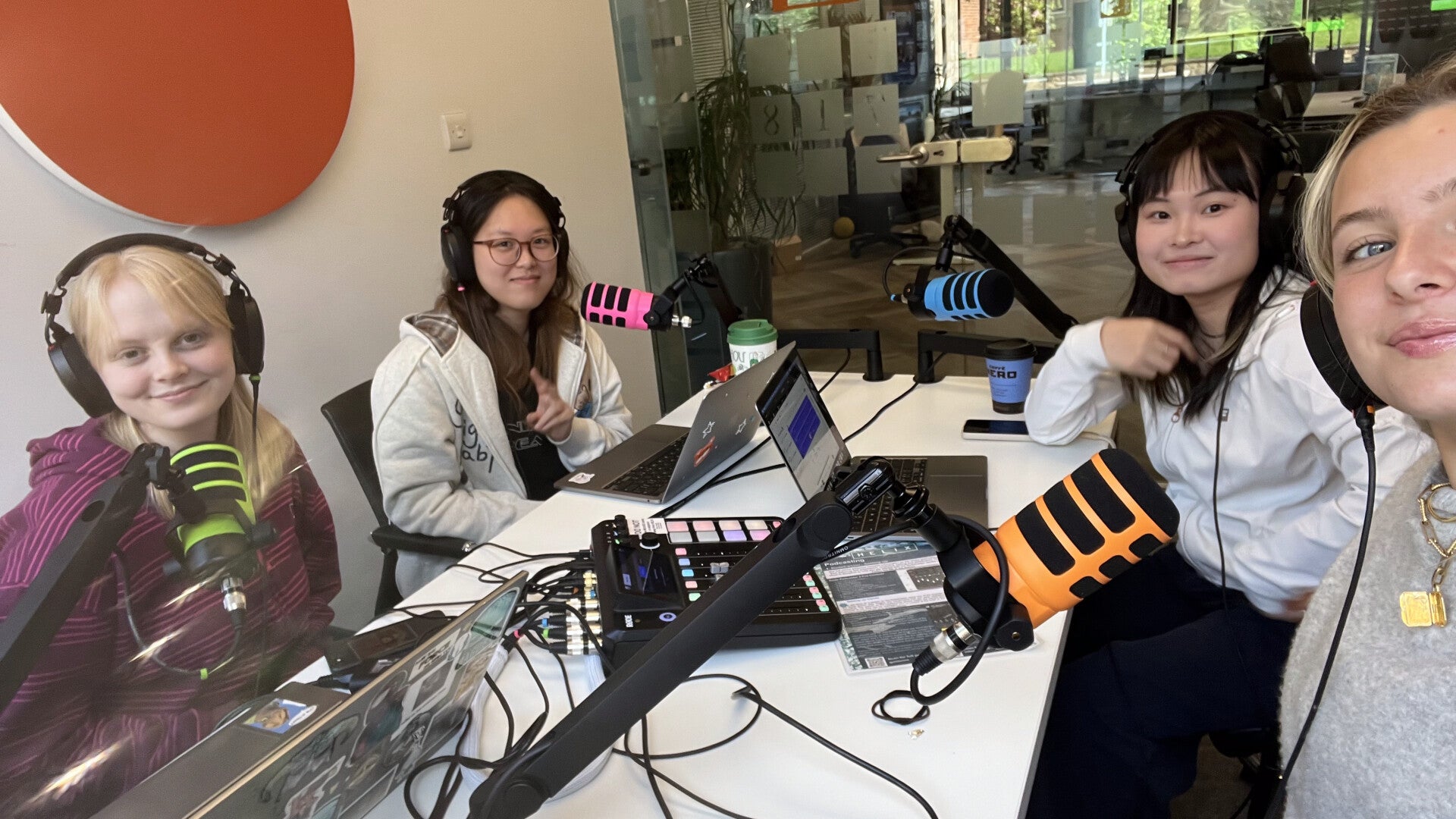
On campus, we used a private recording room. The first hour was devoted to familiarising oneself with the setup, recording device, and microphones. Four microphones were connected to a professional podcast recorder, and the audio was transferred to our laptops via a memory card. Using the script as a guide, we recorded the entire podcast in one continuous take while being receptive to each other's ideas and organically expanding upon them.
Post- Production
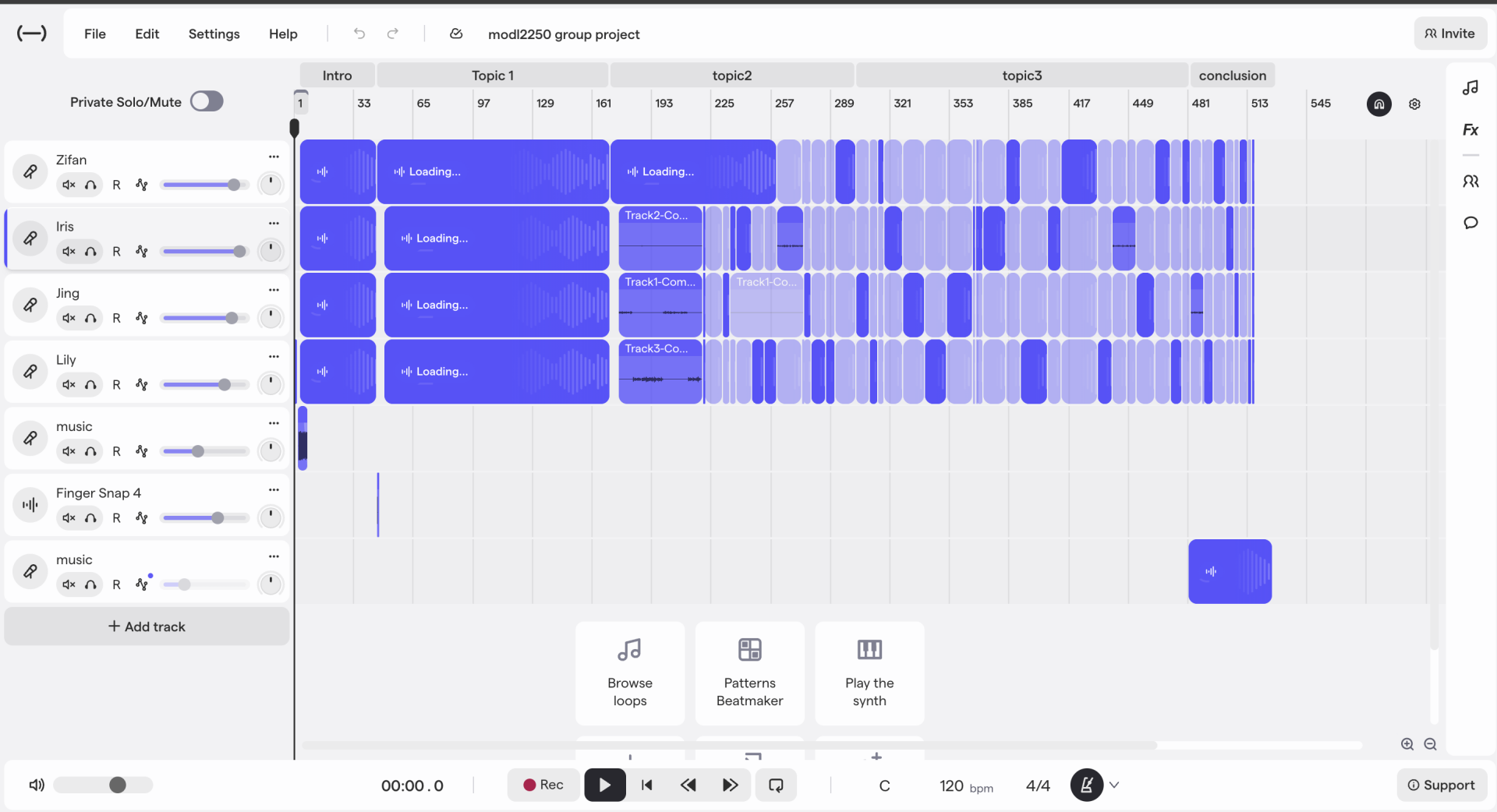
After the file was moved to our laptops, we moved the audio to an editing site called Soundtrap and began editing. To do this, a jingle was added at the beginning, breath sounds were eliminated, natural breaks and brief pauses were added, and any errors were edited out. We were pleased with the polished 17-minute podcast that was the outcome. If I had to do it over, I would spend less time becoming acquainted with the equipment during the first recording session, which took longer than anticipated and left us feeling a little hurried in the end.
Personal reflection
What I took away
I learned from this project that creating a podcast is a semiotic act in and of itself; the listener's interpretation is shaped by every choice made regarding tone, structure, word choice, and tempo. Collaborating with others also demonstrated to me how intercultural group dynamics occur in real time; our diverse viewpoints enhanced our analysis. I left with a far greater understanding of how platform design influences not only what we say but also how we choose to say it.